Adaptive Reuse: Transforming Existing Structures for Modern Living Mar 04, 2026
Before delving into the benefits of adaptive reuse, let's understand what it truly entails. Adaptive reuse is the process of repurposing old buildings for new uses while retaining their original features when possible. This practice not only conserves resources but also renews the cultural significance of historic sites. Whether it's transforming an old factory into chic loft apartments or revamping a warehouse into a vibrant office space, adaptive reuse is reshaping our built environment in innovative ways.
One of the most compelling reasons to consider adaptive reuse is sustainability. Repurposing existing structures reduces the need for new construction, thereby saving considerable resources and minimizing waste. The construction industry is known for its significant carbon footprint, and adaptive reuse can mitigate this impact by conserving the energy and materials embodied in the original structure. Moreover, it aligns with green building practices, often leading to potential LEED certification, a sought-after mark of sustainable design and construction.
In addition to environmental benefits, adaptive reuse offers economic advantages. It often involves lower costs compared to new construction. The existing buildings already have foundational elements, which means less time and fewer materials are required. This cost-effectiveness can be particularly appealing in urban areas where land for new development is scarce and expensive. Furthermore, adaptive reuse projects can stimulate economic growth by revitalizing underutilized neighborhood areas, attracting businesses and residents alike.
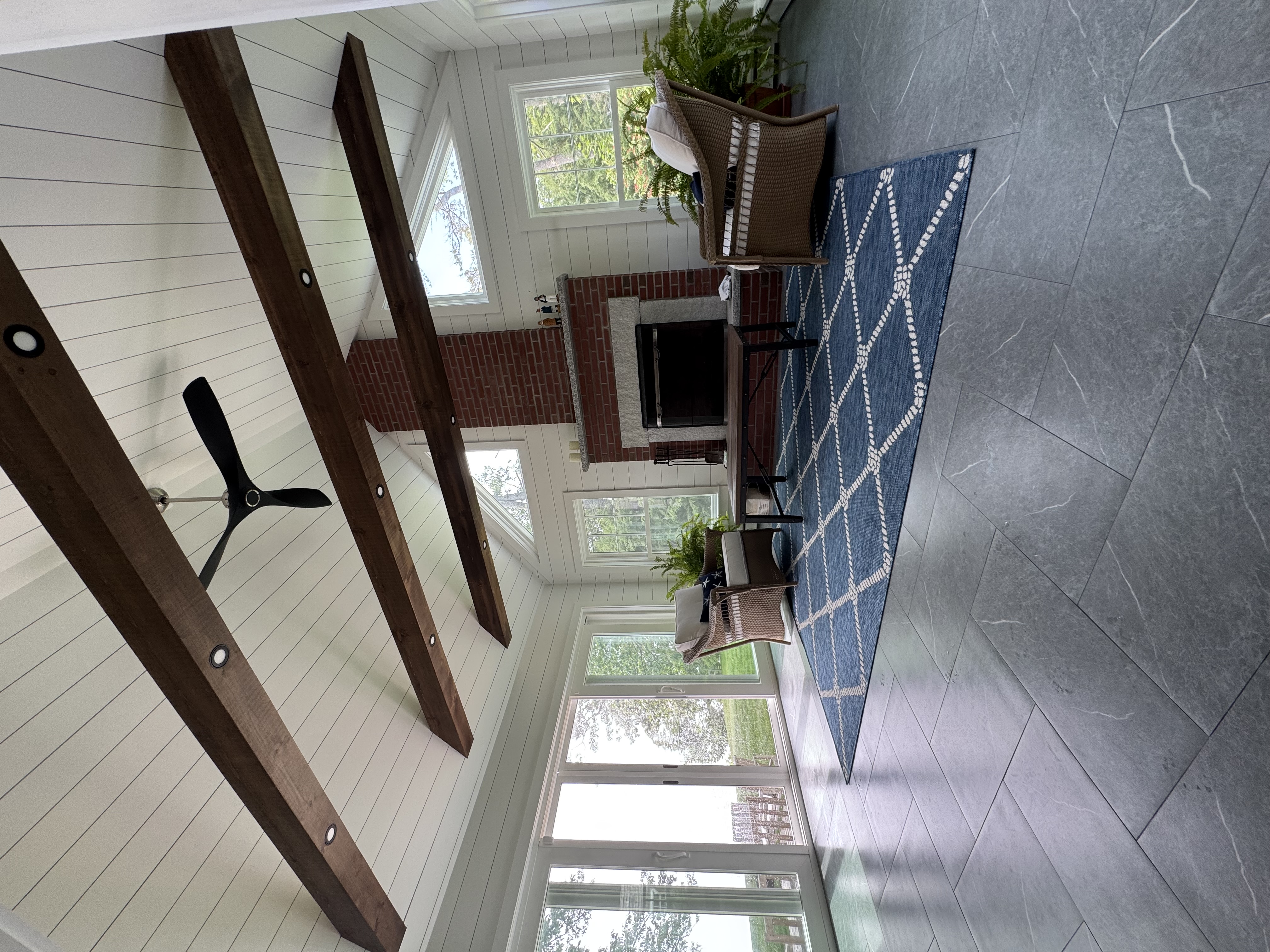
From a design perspective, adaptive reuse provides a unique blend of old-world charm and modern convenience. It allows for creative design solutions that respect the building’s original architecture while incorporating modern amenities. For instance, a historic building might have exposed brick walls or original wooden beams that give a space character and warmth. Integrating such elements with contemporary design can create a distinctive aesthetic that modern buildings may lack.
Another advantage of adaptive reuse is its social impact. By preserving iconic landmarks and historical buildings, communities maintain a sense of continuity and connection to their heritage. This is particularly important in areas undergoing rapid development, where the erasure of historical identity can be a concern. Adaptive reuse projects can foster community pride and engagement by keeping these cultural touchstones alive.
Jetstream Construction understands the nuances and challenges of adaptive reuse projects. With an experienced team dedicated to sustainability and innovative solutions, clients can expect a seamless transformation of outdated structures into functional and modern spaces tailored to contemporary needs.
In conclusion, adaptive reuse is a forward-thinking approach that offers numerous benefits. It promotes sustainability, preserves cultural heritage, and supports economic revitalization. For anyone looking to embark on a renovation or construction project, considering adaptive reuse could lead to a successful and rewarding venture. With Jetstream Construction, the possibilities are endless, ensuring that every project is not just a transformation, but a reinvention of space for modern living.
/filters:no_upscale()/filters:format(webp)/media/08ccd7a8-d97f-4a37-a250-965fbcb6865d.jpeg)